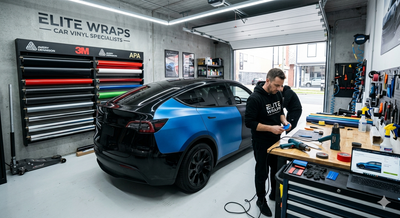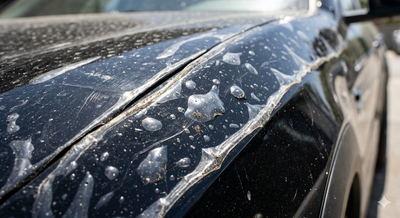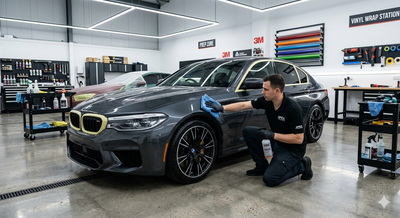


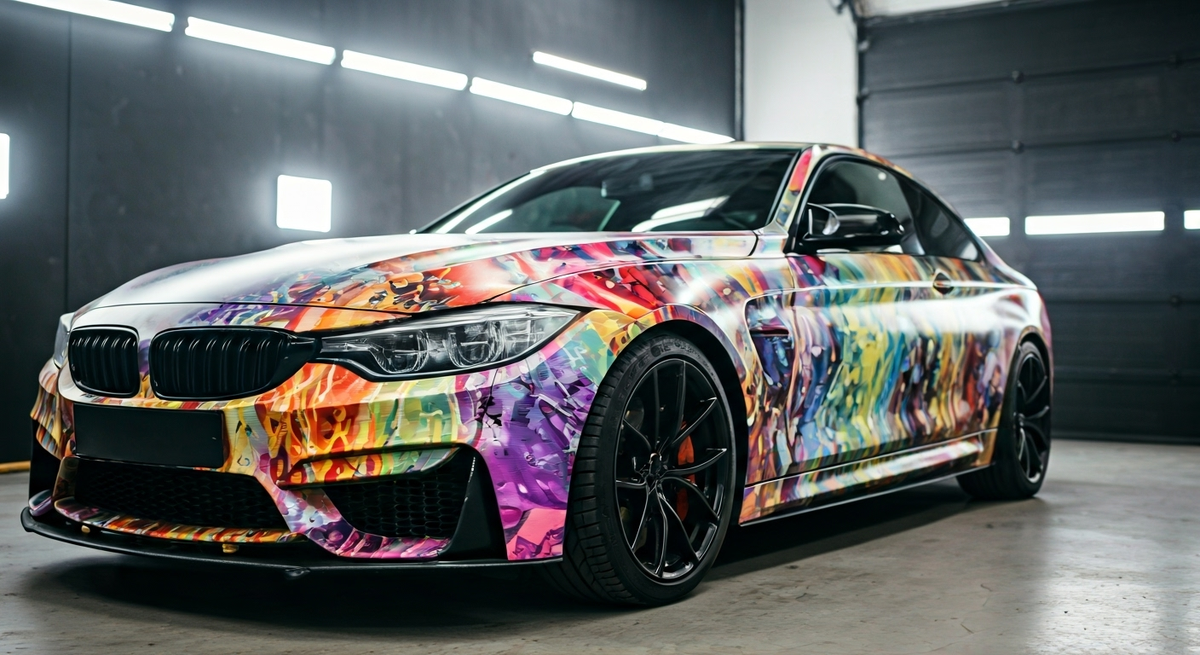
The average cost to wrap a car in Australia typically ranges from $2,000 to $6,000, depending on the vehicle's size, the type of vinyl, and the job's complexity.
Thinking about changing the look of a car without committing to a full respray? Car wrapping has become a popular choice across Australia because it offers flexibility, style, and protection.
This price range can shift quite a bit. A small hatchback with a simple matte finish may sit at the lower end, while a large SUV with a chrome or custom design can reach $7,000 or more. Materials, labour, and finish all play a role, which is why no two quotes are the same.
Understanding how much car wrapping costs upfront helps avoid surprises and makes it easier to decide whether wrapping is worth it compared to painting. With so many options in colours, textures, and finishes, wrapping gives people the chance to customise their car while protecting the original paint.
What Determines Car Wrap Cost

Several factors influence how much a car wrap costs in Australia. The choice of vinyl, the size and shape of the vehicle, and how much of the car is covered all play a direct role in the final price.
Type of Vinyl Material
Vinyl comes in different grades, and the quality of the material has a major impact on how much car wrapping costs. Standard vinyl is usually cheaper, but it may not last as long or resist wear as well as premium options. High-end films often include advanced finishes like carbon fibre, chrome, or matte, which add to the price.
Durability is another key difference. Basic films may last around 3–5 years, while higher quality wraps can last 7 years or more with proper care. This makes premium vinyl a better choice for those who want longer protection and fewer replacements.
Appearance also matters. Gloss finishes are common and affordable, while metallic or textured effects cost more because of the specialised materials. Customers should balance their budget on how much car wrapping costs with how long they expect the wrap to last and the look they want to achieve.
Example price range for materials alone:
Standard gloss vinyl: lower cost, shorter life
Specialty finishes (chrome, carbon fibre, matte): higher cost, longer life
Vehicle Size and Shape
The size of a vehicle directly affects wrap pricing because larger vehicles require more vinyl and more labour. A compact hatchback will usually be cheaper to wrap than a large SUV, ute, or van.
Shape and design complexity also matter. A vehicle with smooth, flat panels is quicker to wrap than one with many curves, recesses, or body details. More time and precision are needed for complex shapes, which increases labour costs.
For example, wrapping a small sedan may fall closer to the $2,000 car wrap Sydney cost, while a large 4WD or commercial van can push costs beyond $5,000. The installer must also account for extra cutting, stretching, and repositioning on larger or more detailed vehicles.
Explore our full range of vehicle wrapping tools that professional installers actually use →
Wrap Coverage Options
Not every car wrap covers the entire vehicle. Coverage choice is one of the biggest cost factors.
Common coverage types include:
Full wrap: Covers the entire vehicle, including doors, bonnet, and bumpers. Highest cost but maximum impact.
Partial wrap: Covers specific areas such as the bonnet, roof, or side panels. Lower cost and often used for accents or branding.
Decals/graphics: Small sections or logos applied, usually the cheapest option.
A full wrap usually costs the most because it requires more vinyl and more labour hours. Partial wraps reduce both material use and installation time, making them a budget-friendly option.
Some people choose partial wraps for styling, such as only wrapping the roof in black for contrast. Businesses often use partial wraps or decals for logos and branding, which keeps costs down while still achieving visibility.
Average Car Wrap Cost in Australia

Car wrapping costs in Australia vary depending on the size of the vehicle, the type of vinyl used, the complexity of the installation, and the experience of the installer. Pricing also differs by location, with larger metropolitan areas generally charging more than regional towns due to higher labour costs and stronger demand.
Standard Price Ranges
Most full car wraps in Australia cost between $2,000 and $6,000.
Smaller vehicles, such as hatchbacks, typically sit at the lower end of the range, while larger sedans, SUVs, 4WDs, and vans require more vinyl and installation time, increasing the overall cost.
Premium finishes, including chrome, satin, colour-shift, and carbon fibre vinyl, can add several thousand dollars compared to standard gloss or matte wraps. For example, a chrome wrap can exceed $7,000, while a high-quality matte wrap generally costs between $2,500 and $3,500.
Partial wraps are a more affordable alternative. Wrapping individual panels such as the roof, bonnet, mirrors, or doors typically costs $500 to $1,500, depending on the size and complexity of the job.
Labour quality is equally important. Experienced installers may charge more, but professional installation often delivers better durability, cleaner finishes, and fewer issues such as lifting, bubbling, or premature peeling.
Comparison by Vehicle Type
Vehicle size is one of the biggest factors affecting the final price.
Smaller vehicles require less vinyl, while larger vehicles demand more material and additional installation time.
|
Vehicle Type |
Typical Price |
|---|---|
|
Small cars (hatchbacks, coupes) |
$1,800–$3,500 |
|
Sedans |
$2,500–$4,500 |
|
SUVs & 4WDs |
$3,000–$5,500 |
|
Vans & Utes |
$3,500–$6,000 |
Vehicles with complex body shapes, aggressive curves, spoilers, roof racks, or bull bars generally cost more because they require additional preparation and precision.
Custom printed graphics, commercial branding, and fleet wraps also increase pricing due to design, printing, and installation requirements.
If you're replacing an existing wrap, removal typically costs $500 to $1,000, depending on the age and condition of the vinyl.
Car Wrap Costs in Sydney
Sydney is one of Australia's most expensive cities for vehicle wrapping due to higher commercial rents, labour costs, and consistently strong demand.
A professionally installed full car wrap in Sydney generally costs between $2,800 and $6,500, with premium materials and luxury vehicles often exceeding this range.
Businesses looking for fleet branding or custom commercial vehicle wraps should also budget for graphic design and print production costs. While Sydney prices tend to be higher, the city also has one of the largest selections of experienced wrap installers, giving customers more options for premium workmanship.
Installer tip
When quoting a wrap, assess the vehicle size, panel complexity, vinyl finish, coverage, and surface condition before setting a price. Include preparation, labour, material waste, removal, and any custom design work so the quote reflects the full scope of the installation.
Car Wrap Costs in Melbourne
Melbourne has a highly competitive vehicle wrapping market, with many specialist installers serving both private vehicle owners and commercial fleets.
Most full car wraps in Melbourne range from $2,500 to $6,000, depending on vehicle size, vinyl brand, and finish.
Because of the strong competition among installers, customers can often compare multiple quotes without sacrificing quality. Premium finishes such as satin, metallic, textured, or colour-shift wraps will naturally increase the total investment.
Car Wrap Costs in Brisbane
Car wrapping in Brisbane is generally slightly more affordable than in Sydney and Melbourne while still offering access to experienced installers and premium vinyl brands.
Expect to pay approximately $2,300 to $5,500 for a full vehicle wrap, with hatchbacks typically costing less and larger SUVs, 4WDs, and commercial vans sitting at the higher end of the range.
Brisbane businesses frequently choose partial wraps and fleet graphics, making it a competitive market for commercial branding as well as personal vehicle customisation.
Car Wrap Costs in Perth
Perth vehicle wrapping costs are influenced by material availability and freight, as many premium vinyl products are shipped from Australia's eastern states.
Most full car wraps in Perth cost between $2,500 and $6,000, although specialist finishes such as chrome or printed commercial wraps may cost more.
Perth has several highly regarded wrap specialists, but customers seeking rare vinyl colours or premium finishes may experience slightly longer lead times while materials are sourced.
Regional Price Variations
Outside Australia's major capital cities, vehicle wrapping prices can often be several hundred dollars lower.
For example, a standard sedan wrap in regional Queensland may cost $2,200 to $3,500, compared with approximately $2,800 to $4,500 in Sydney.
Local competition, workshop overheads, and labour rates all contribute to pricing differences. Areas with fewer installers may charge more because of limited availability, while larger regional centres often offer competitive pricing.
Some premium vinyl finishes, including chrome, textured carbon fibre, or colour-shift films, may also be less readily available outside metropolitan areas. In these cases, customers may need to travel to a major city or allow additional time for materials to be ordered.
When comparing quotes, it's important to consider not only the material cost but also installation quality, warranty coverage, and the installer's experience, as these factors have a significant impact on the longevity and appearance of the finished wrap.
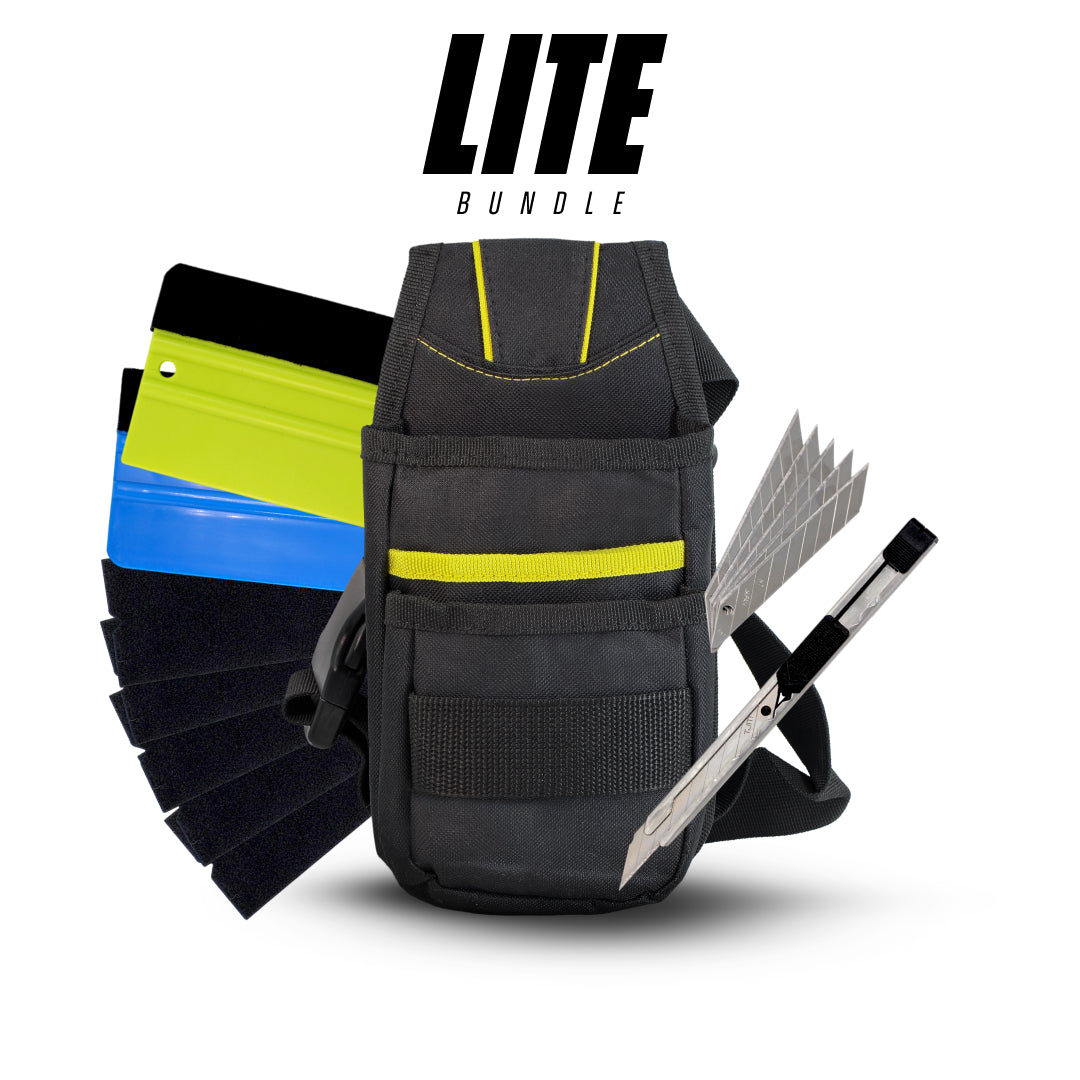
For everything you need for a DIY wrap, the Car Wrap Tool Kits offer all-in-one efficiency →
Common mistake
Comparing quotes based only on the cheapest price can lead to poor-quality materials or inexperienced installation. A lower upfront cost may become more expensive if the wrap fails early, requires repairs, or needs premature replacement.
Types of Car Wraps and Their Costs

Car wraps differ in coverage, design, and price. The main options include full wraps, partial wraps, and custom designs, each offering different levels of style, protection, and cost.
Full Wraps
A full wrap covers the entire exterior of the vehicle, including doors, bonnet, roof, and bumpers. This option is popular for those who want a complete colour change or a uniform finish without repainting.
In Australia, a full wrap usually costs between $2,000 and $5,000. The price depends on the vehicle’s size, the quality of vinyl, and the complexity of the installation. Larger cars like SUVs or vans cost more than smaller sedans or hatchbacks.
Full wraps also provide paint protection. The vinyl shields the original paint from UV rays, scratches, and road debris. This makes them appealing to people who want to maintain resale value.
While the cost is higher than partial wraps, the result is seamless and long-lasting. Many professional installers offer warranties ranging from 3 to 7 years, depending on the material used.
Partial Wraps
A partial wrap only covers selected areas of the car, such as the bonnet, roof, boot, or side panels. It is a cost-effective way to change the look of a vehicle without paying for a full wrap.
The price for a partial wrap in Australia ranges from $500 to $2,000. The final cost depends on the size of the covered area and the type of vinyl chosen. For example, a simple roof wrap costs much less than wrapping half the car.
Partial wraps are often used for accents, such as carbon fibre finishes on the bonnet or matte black roofs. They can also be combined with paint to create a two-tone effect.
This option suits people who want a fresh look on a budget or those who want to highlight certain features of their vehicle.
| Wrap Type | Typical Cost | Best For |
|---|---|---|
| Full Vehicle Wrap | $2,600 – $5,400 | Complete colour change or branding |
| Partial Wrap | $800 – $2,000 | Accent graphics or branding |
| Roof Wrap | $300 – $900 | Sport styling |
| Hood Wrap | $250 – $700 | Performance aesthetic |
Custom Designs
Custom wraps involve unique graphics, logos, patterns, or branding. They are common for businesses that want to advertise on company vehicles, but individuals also use them for personal style.
Prices vary widely, starting from around $1,500 and going beyond $6,000. The cost depends on the complexity of the artwork, printing, and installation. A simple logo on the doors is far cheaper than a detailed, full-vehicle graphic.
Custom wraps require professional design and printing before installation. This adds to the cost but ensures a high-quality finish with accurate colours and sharp details.
For businesses, custom wraps act as mobile advertising. For private owners, they offer a way to personalise a car with patterns or colours not available from the manufacturer.
Additional Factors Affecting Pricing
The final cost of a car wrap depends not only on the material and vehicle size but also on the condition of the surface and the complexity of applying the wrap. These details can add time, labour, and extra resources, which directly increase the price.
Surface Preparation
The state of the vehicle’s paint and panels plays a major role in pricing. A car with dents, scratches, or peeling paint needs extra work before the wrap can be applied. If these issues are not fixed, the vinyl may not stick properly or could highlight imperfections.
Shops often charge for cleaning, sanding, or repairing panels. Even a thorough wash and decontamination can add to the cost because the surface must be completely smooth and free of wax, dirt, or residue.
A wrap applied to a well-maintained surface takes less time and reduces the chance of failure. For vehicles in poor condition, the preparation stage can sometimes cost hundreds of dollars, depending on the level of repair required.
Below is a quick comparison:
| Condition | Extra Preparation Needed | Impact on Cost |
|---|---|---|
| Clean, smooth paint | Minimal cleaning | Low |
| Light scratches | Sanding, touch-ups | Moderate |
| Dents/peeling paint | Repair, repainting | High |
Complexity of Installation
The shape and design of the vehicle affect how difficult the wrap is to install. A flat-sided van is easier and faster to wrap than a sports car with curves, spoilers, or recessed panels. More complex shapes require precision cutting and stretching of the vinyl, which increases labour time.
Custom design elements also add to the difficulty. For example, aligning patterns or logos across doors and body lines requires extra care. If a matte or chrome finish is chosen, installers may need to use specialised techniques, which can raise the price further.
Labour rates reflect these challenges. A small hatchback with simple lines may take two days to complete, while a large SUV with complex features could take four or more. The longer the job, the higher the labour cost.
In short, the more intricate the vehicle’s bodywork and wrap design, the greater the installation cost will be.
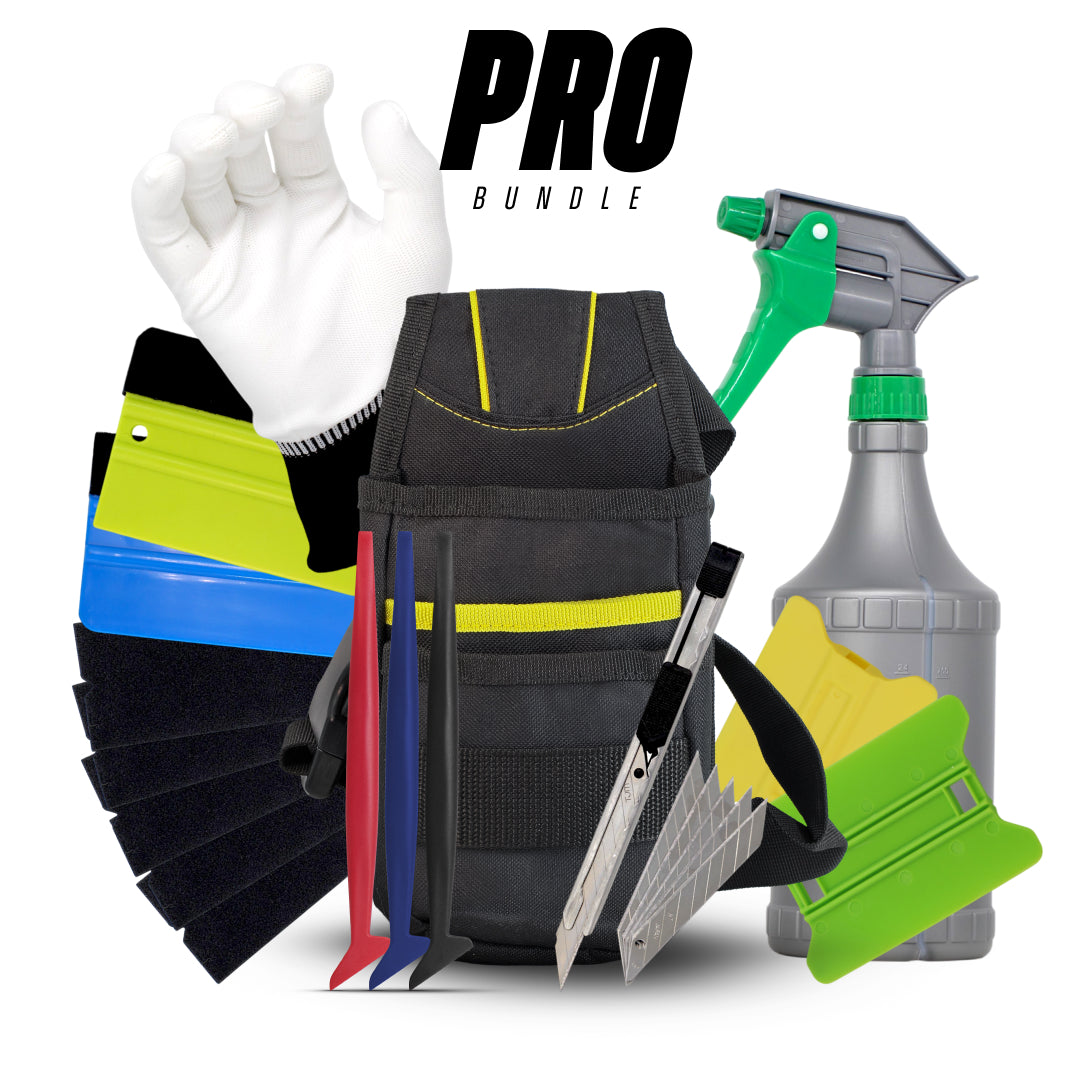
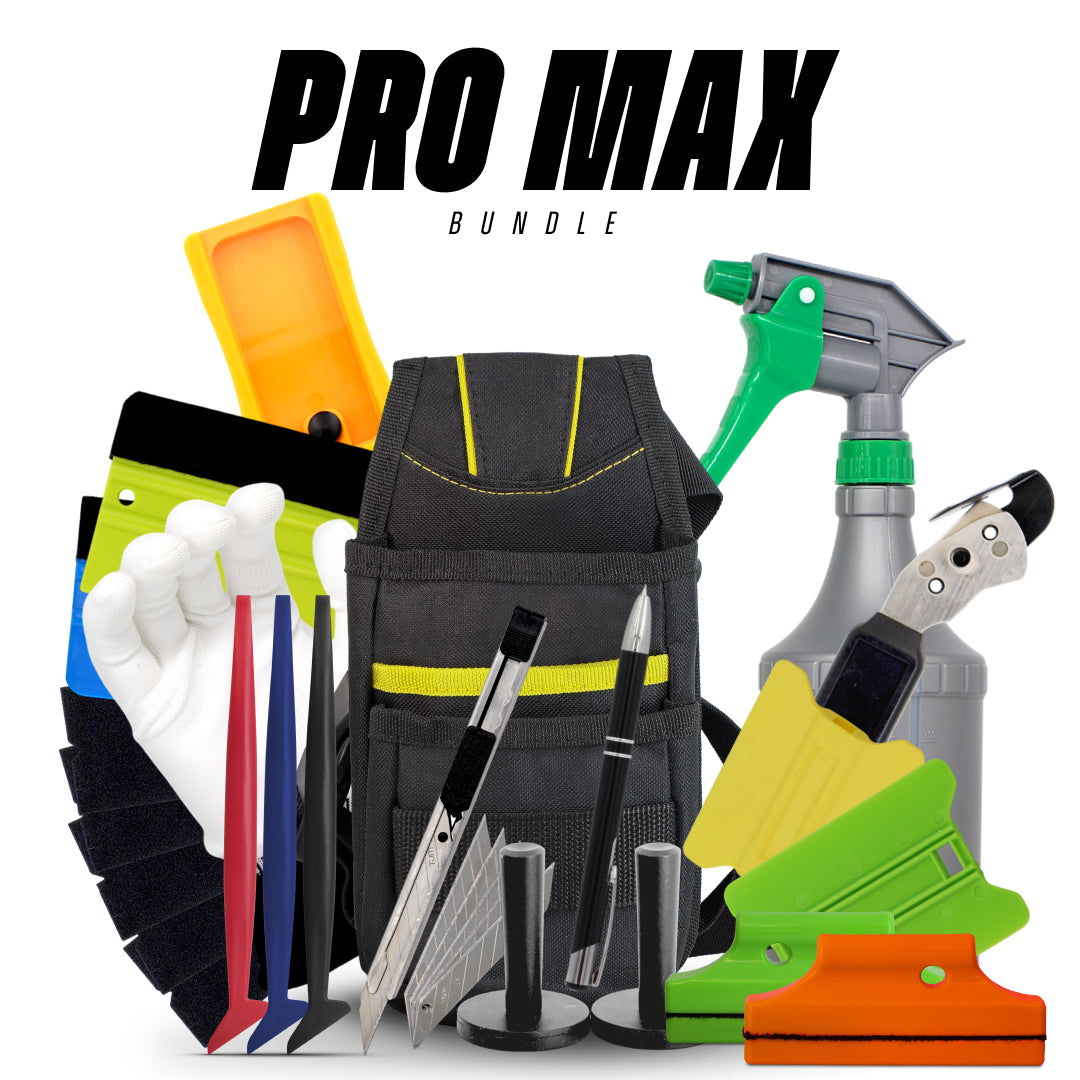
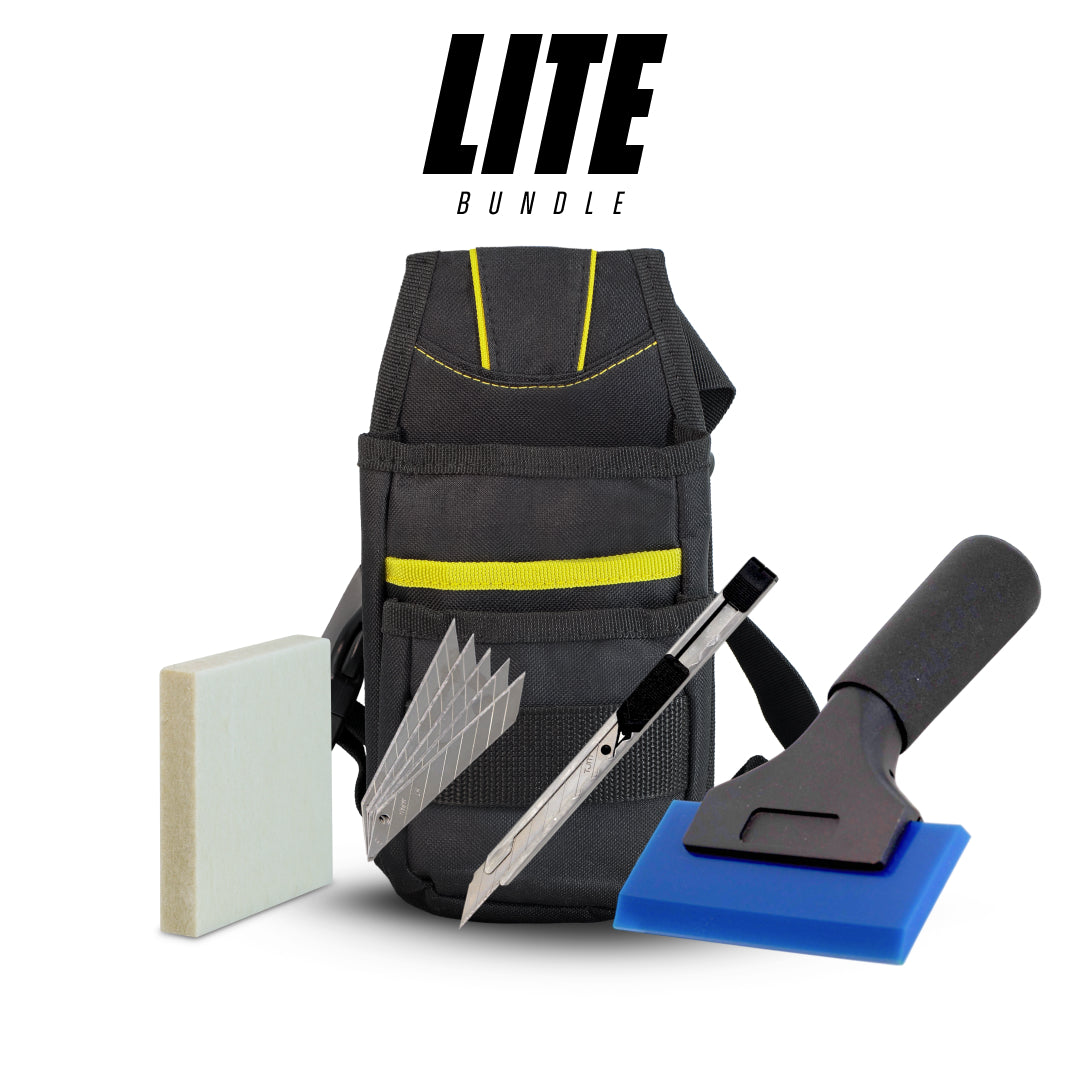
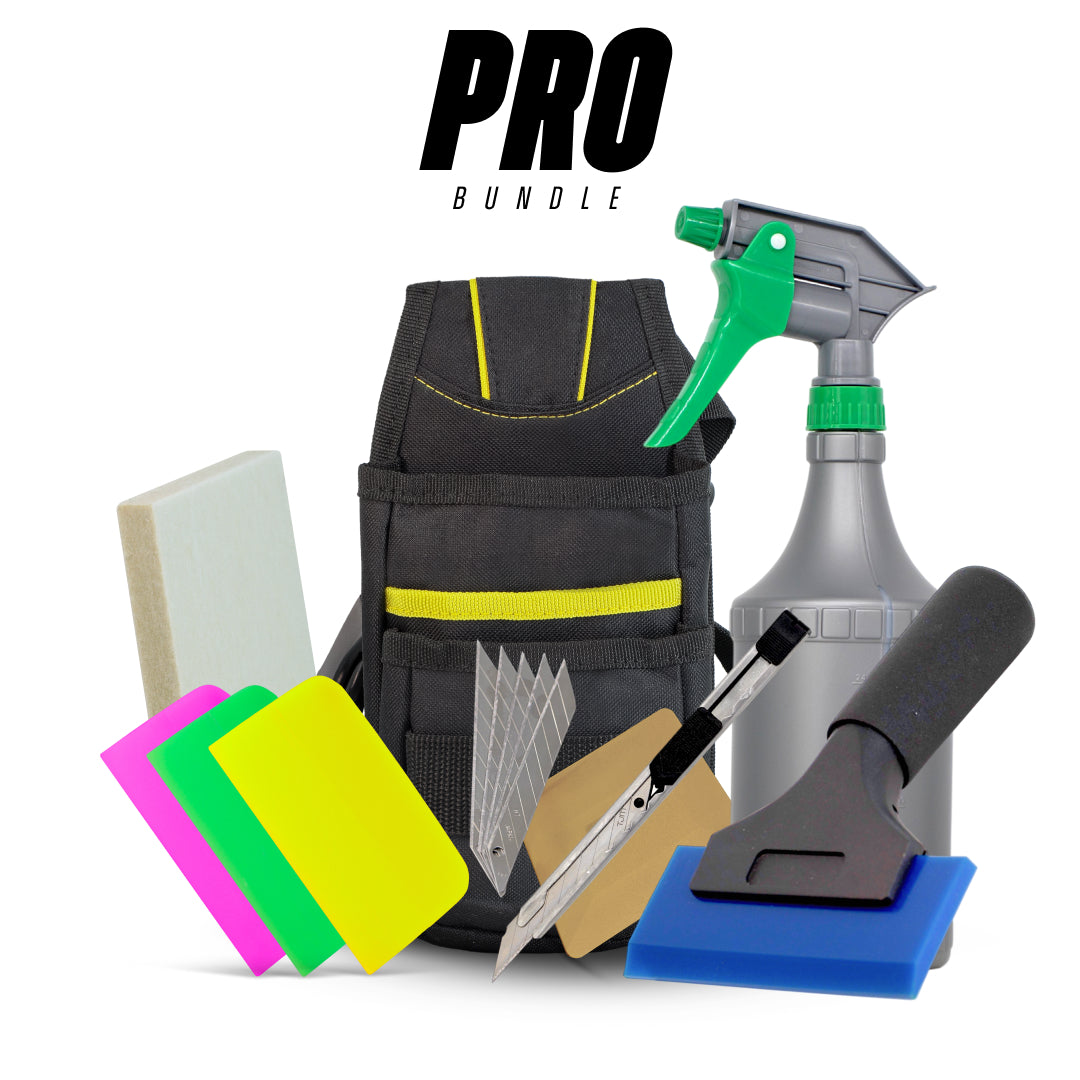
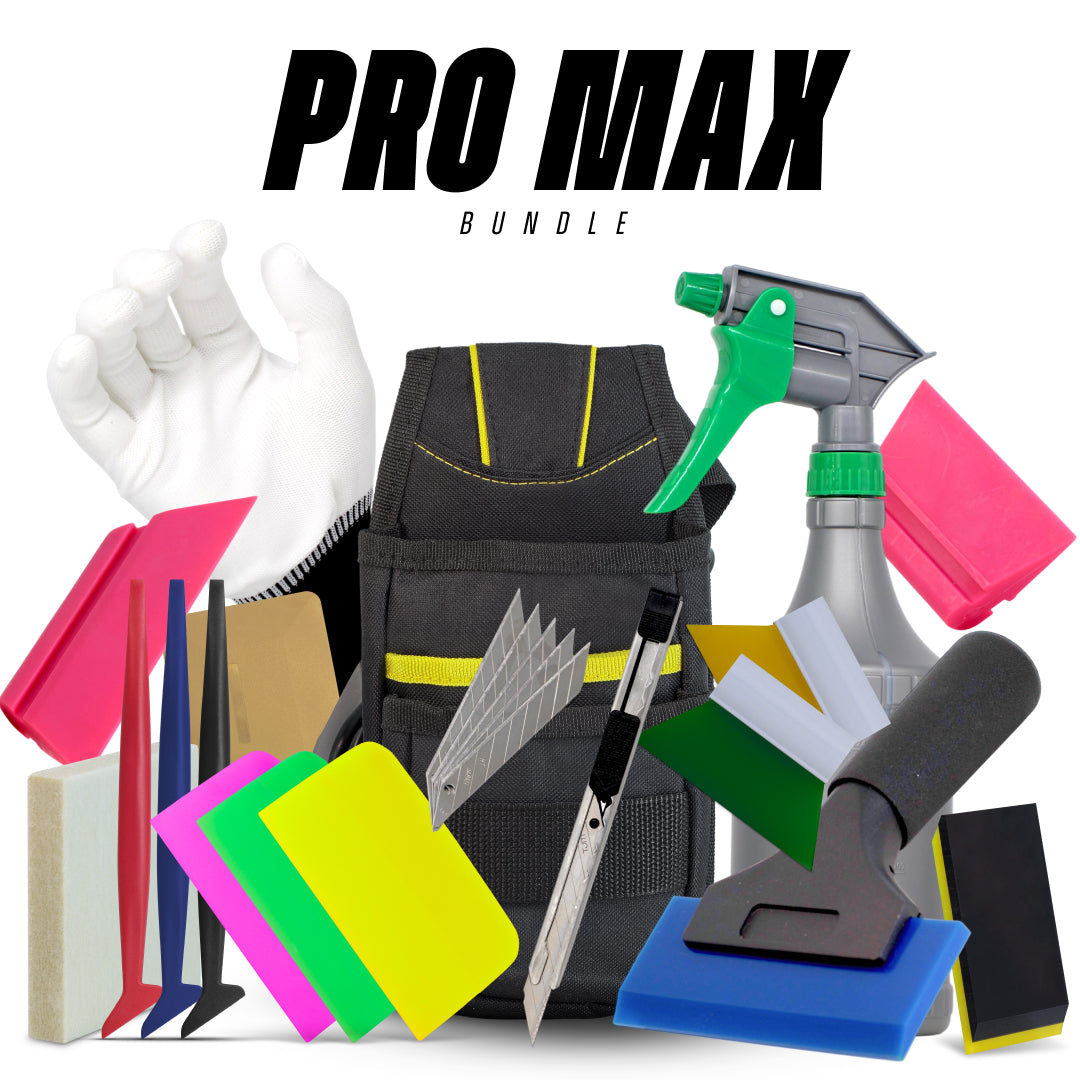
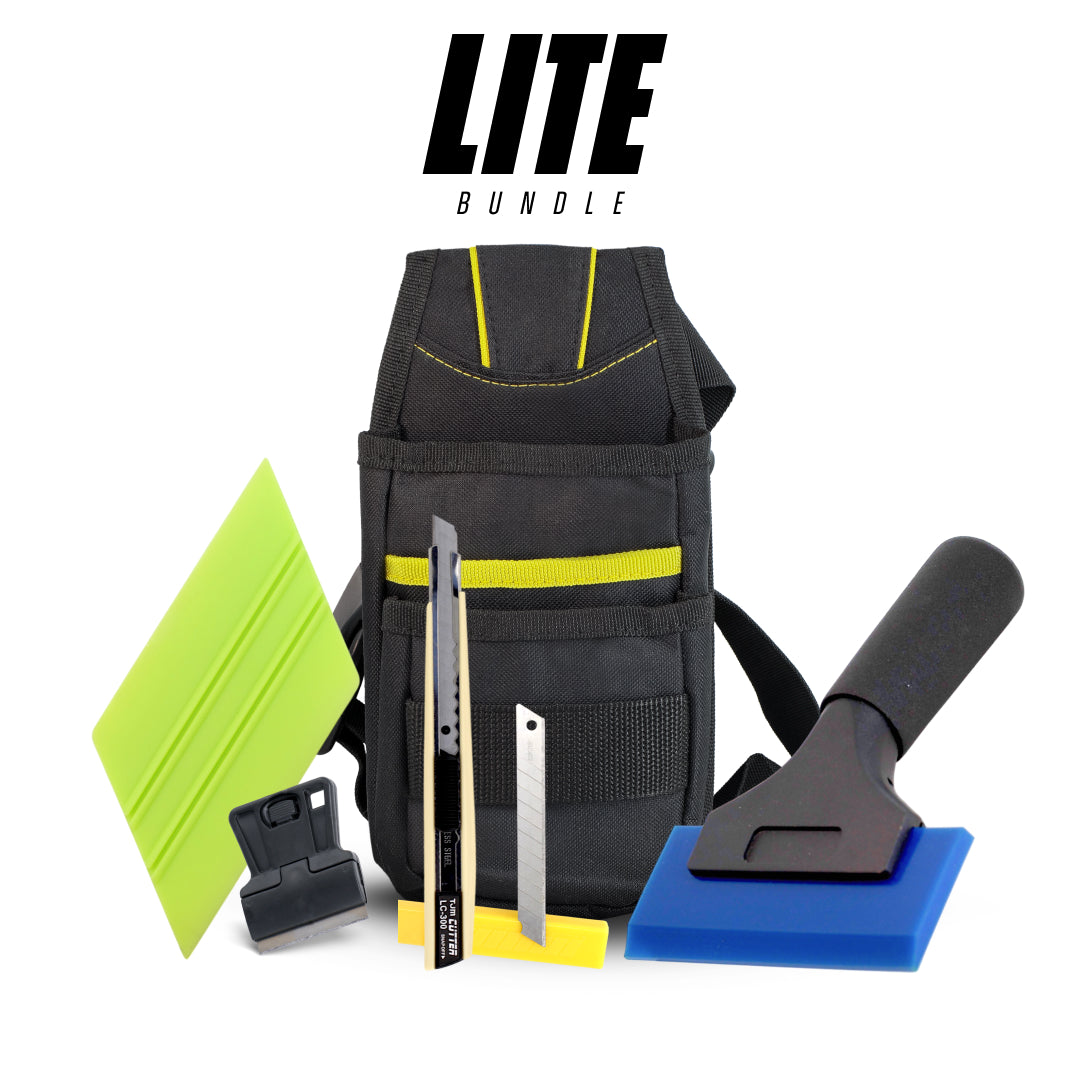
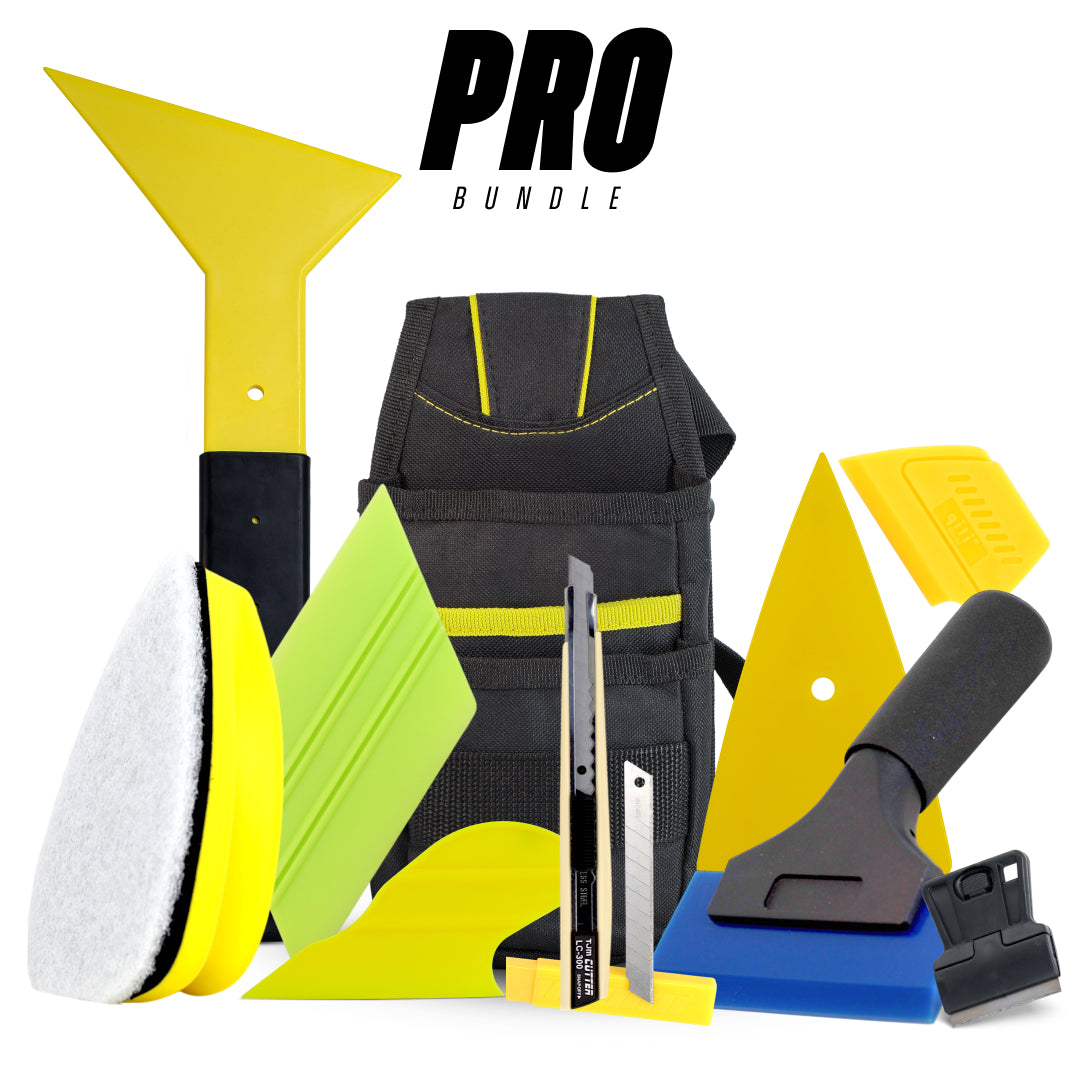
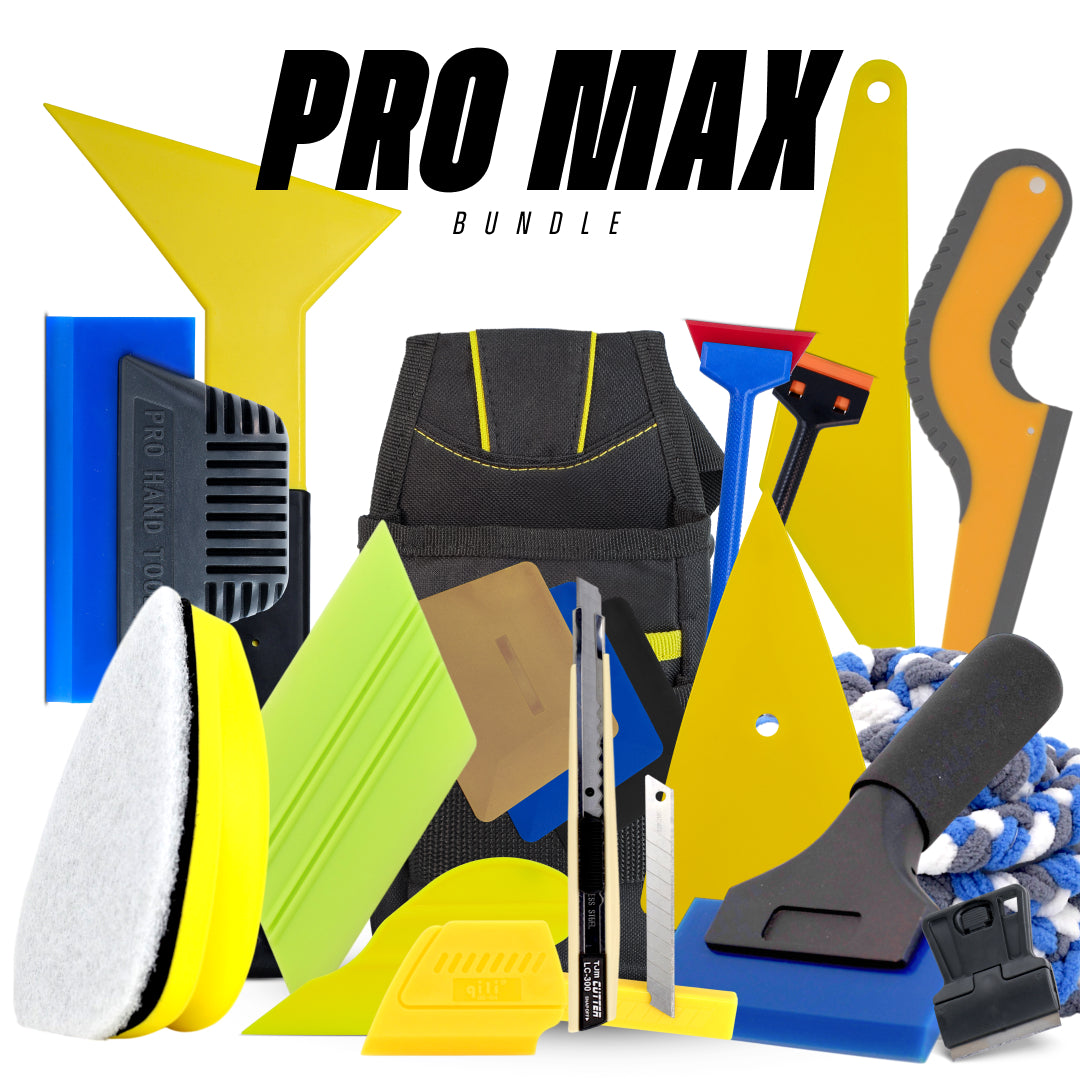
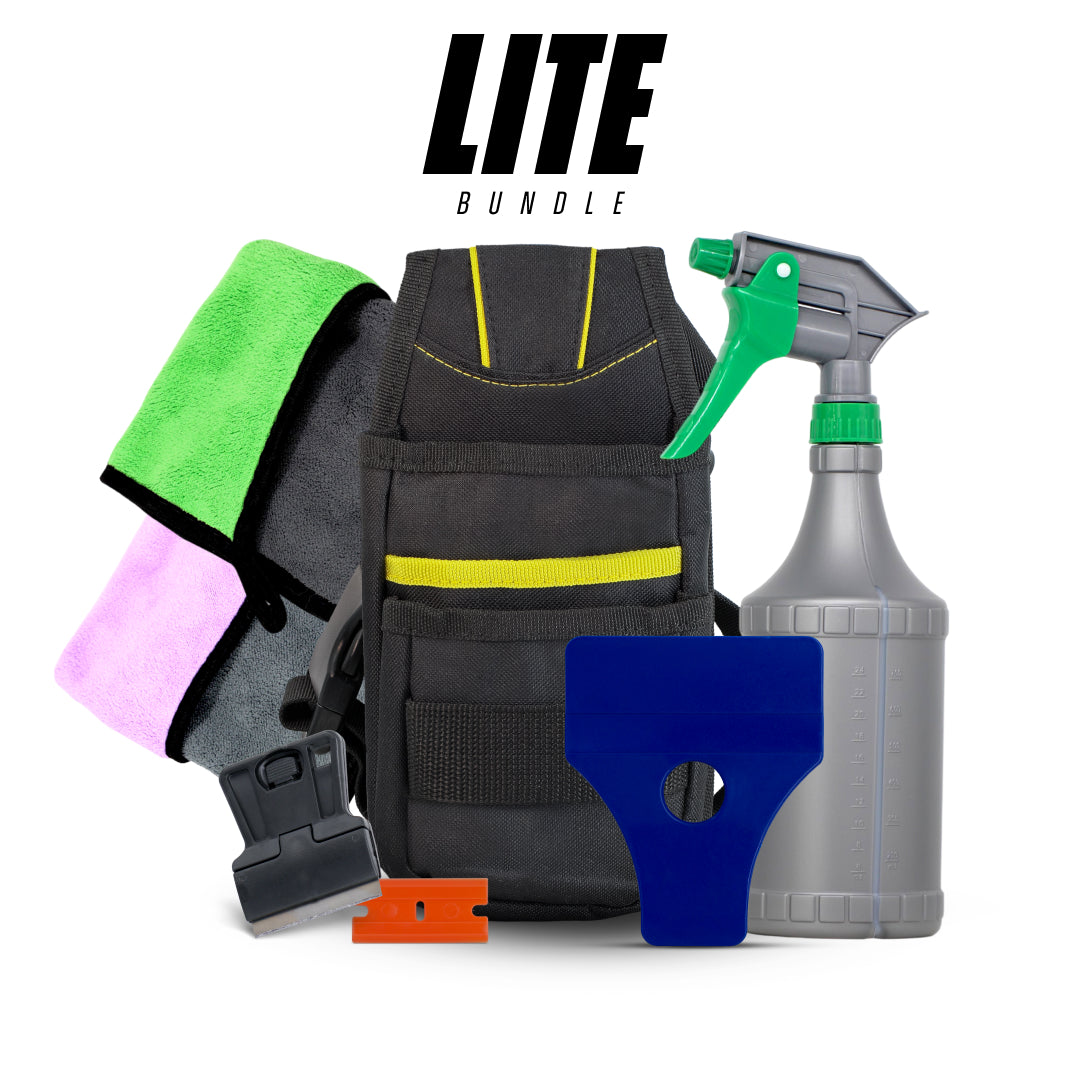
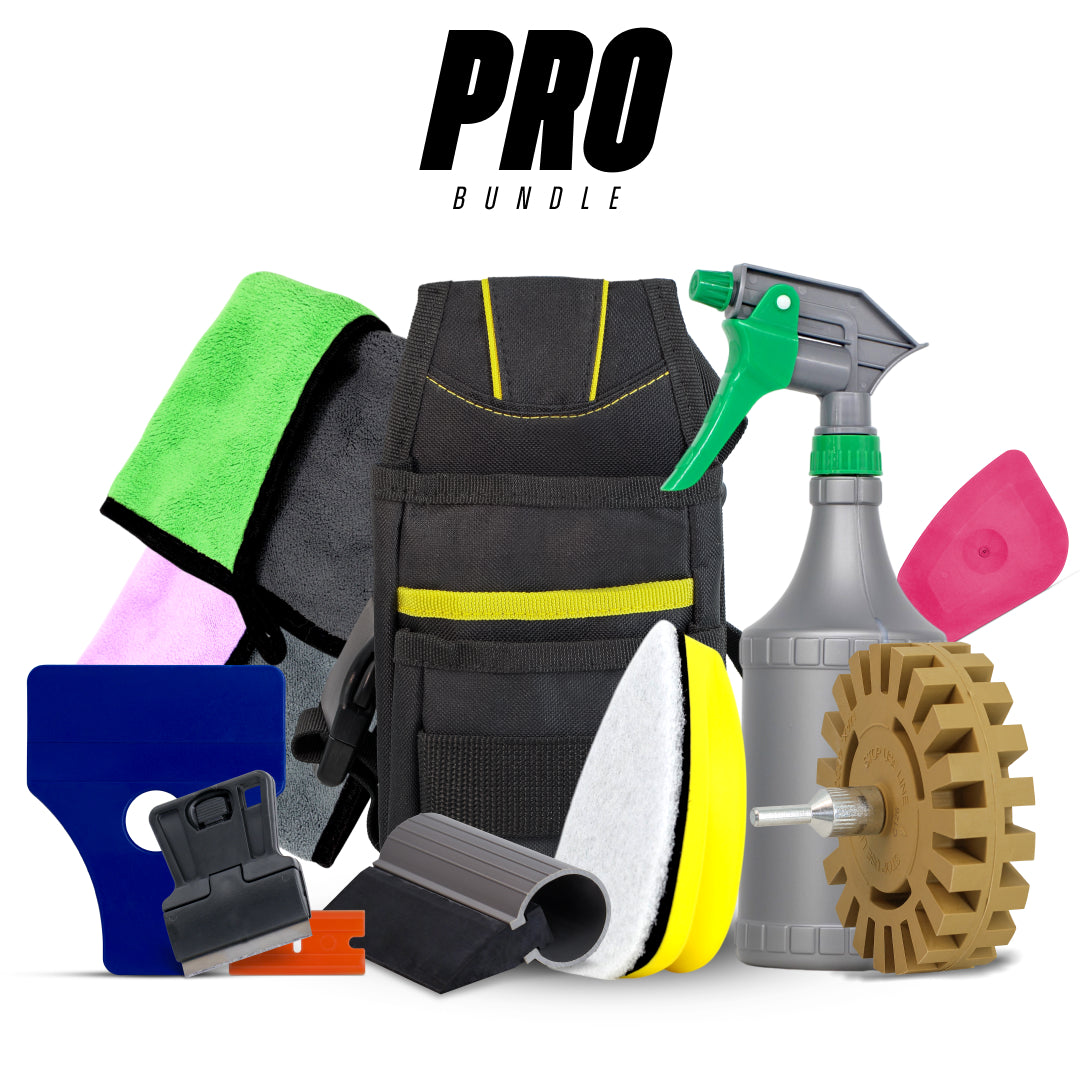
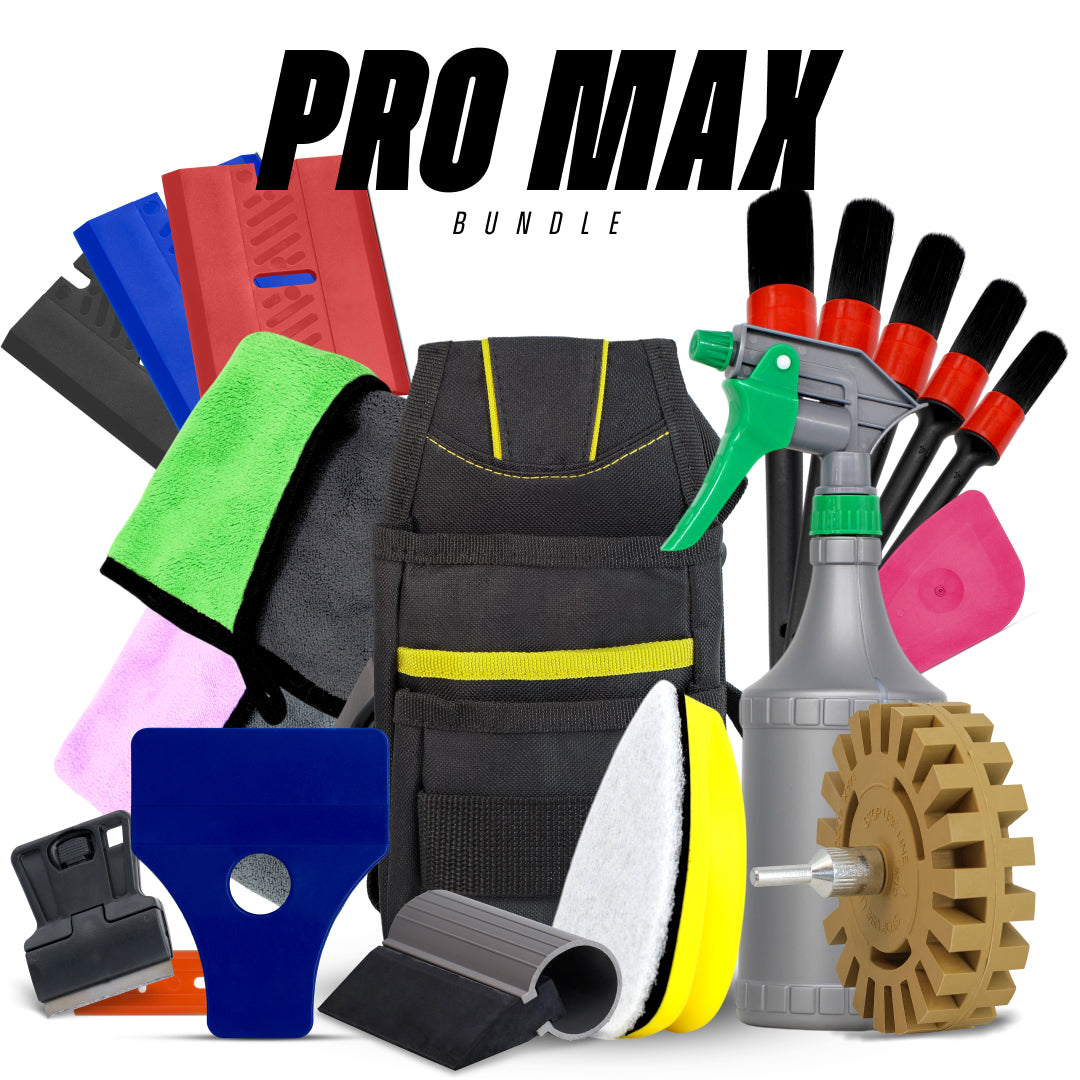
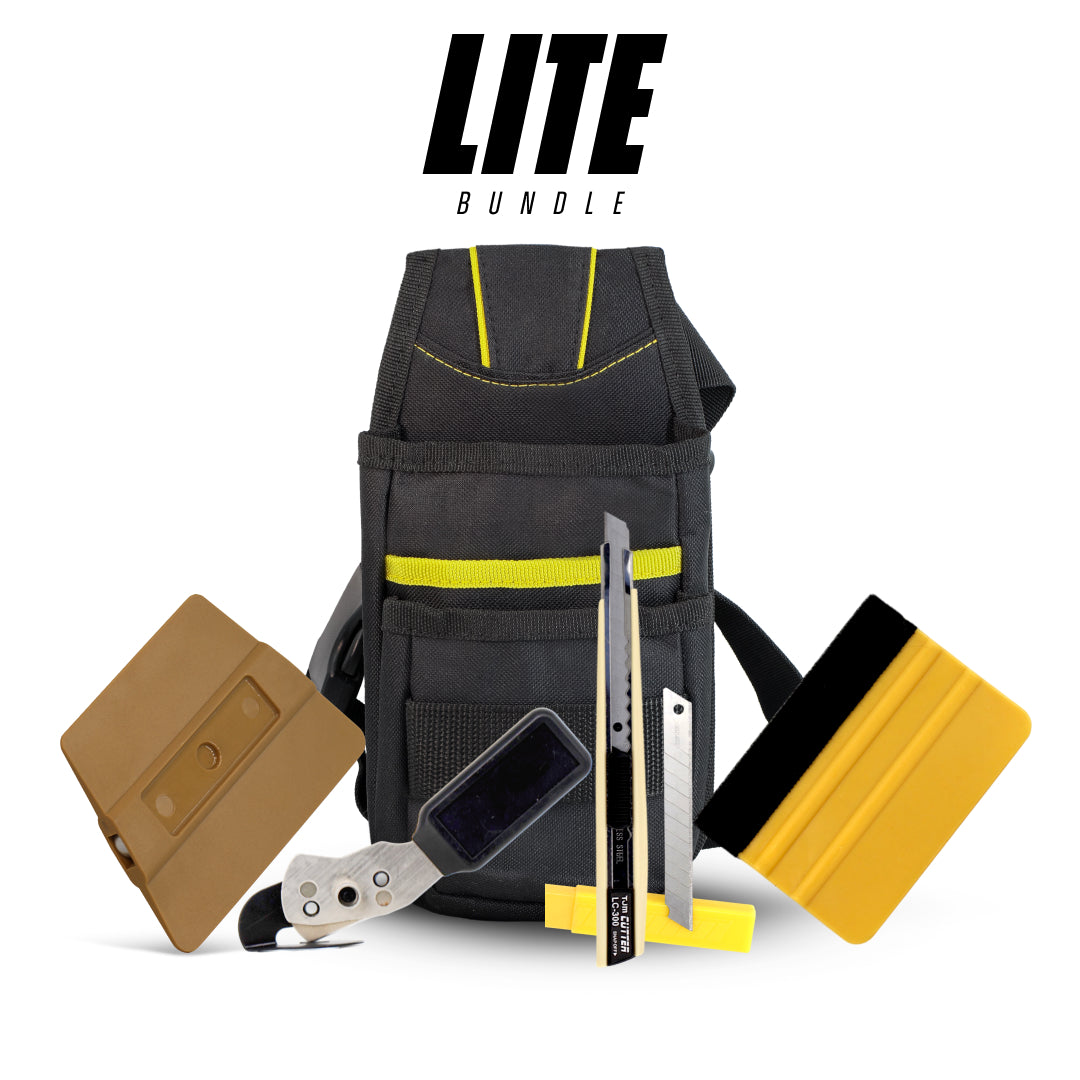
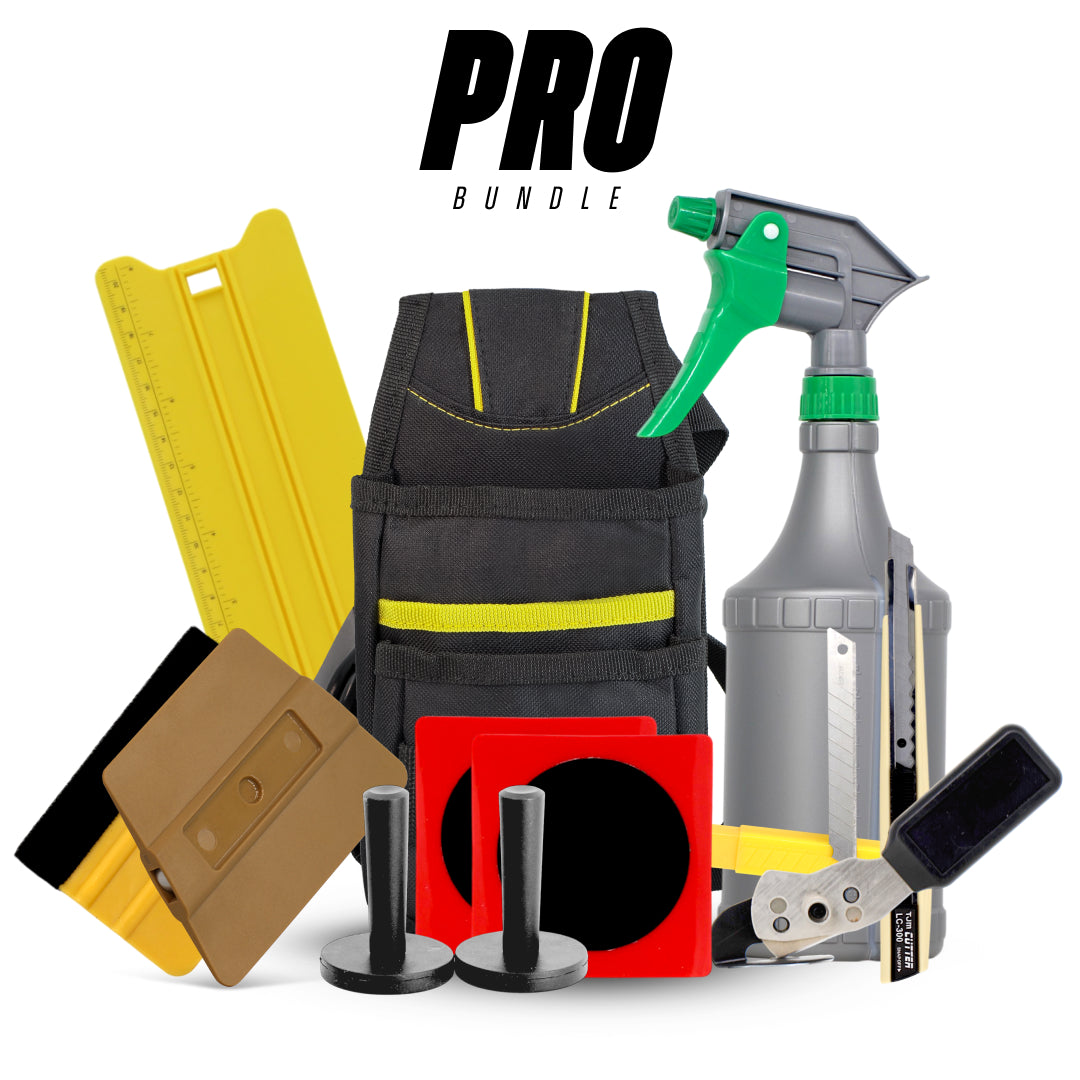
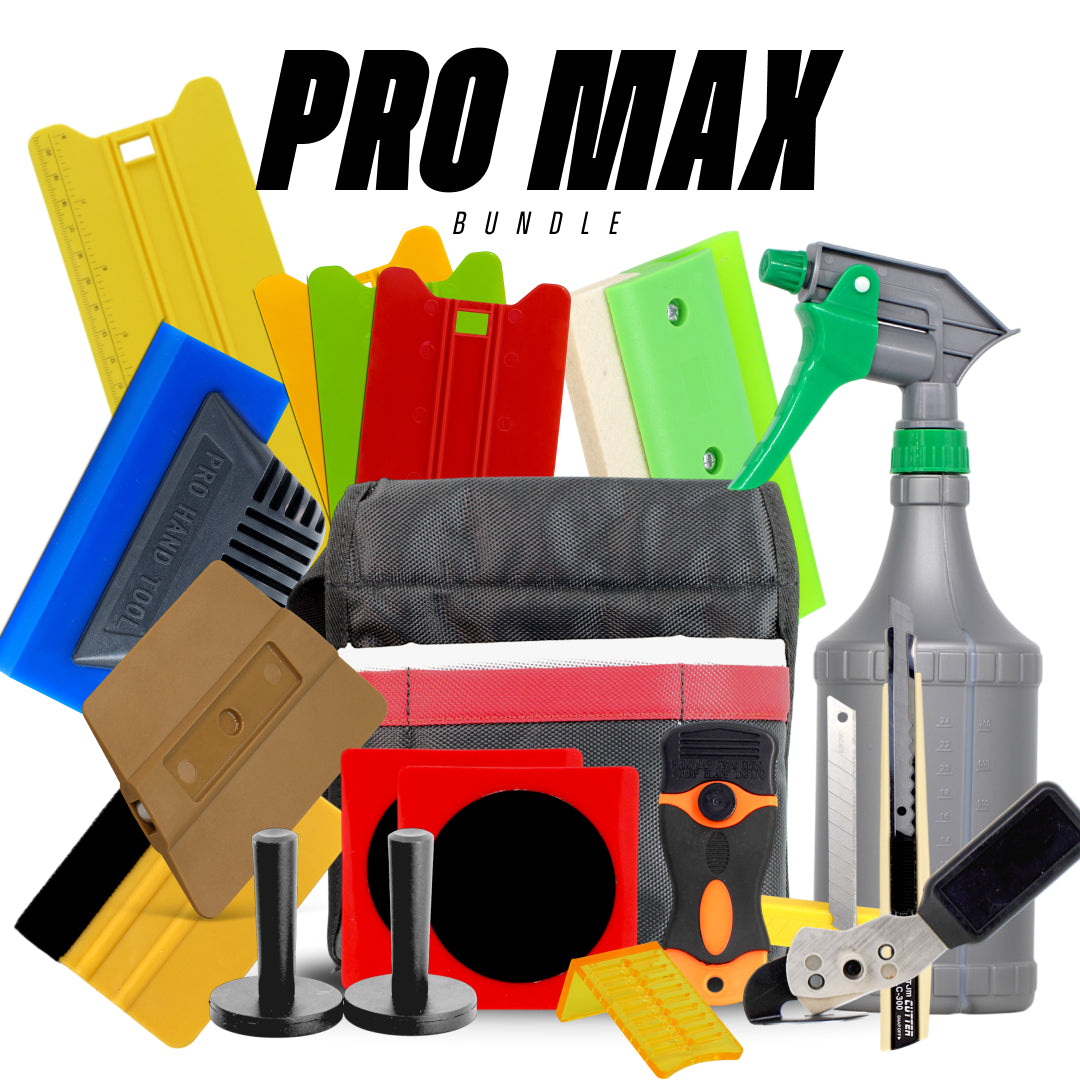
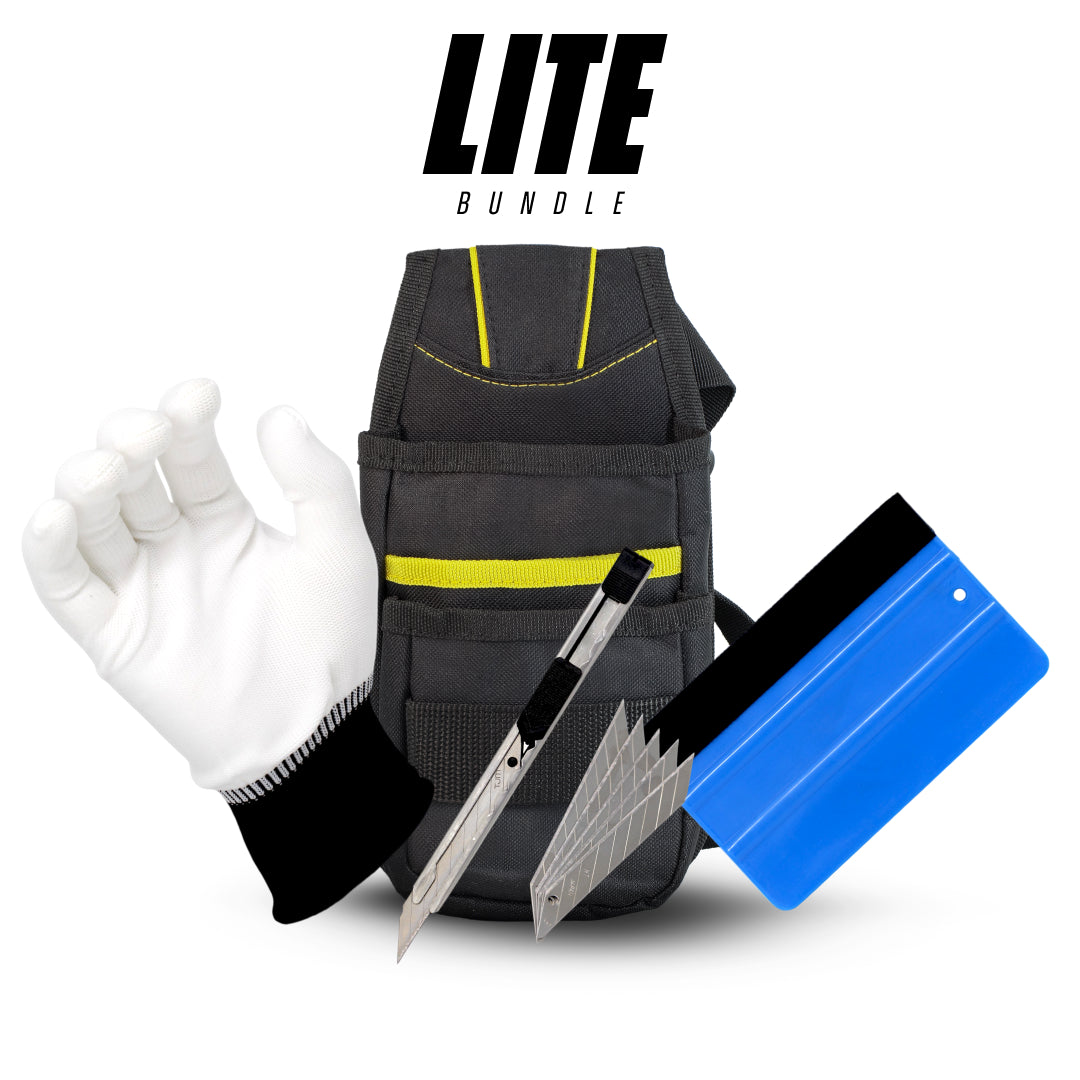
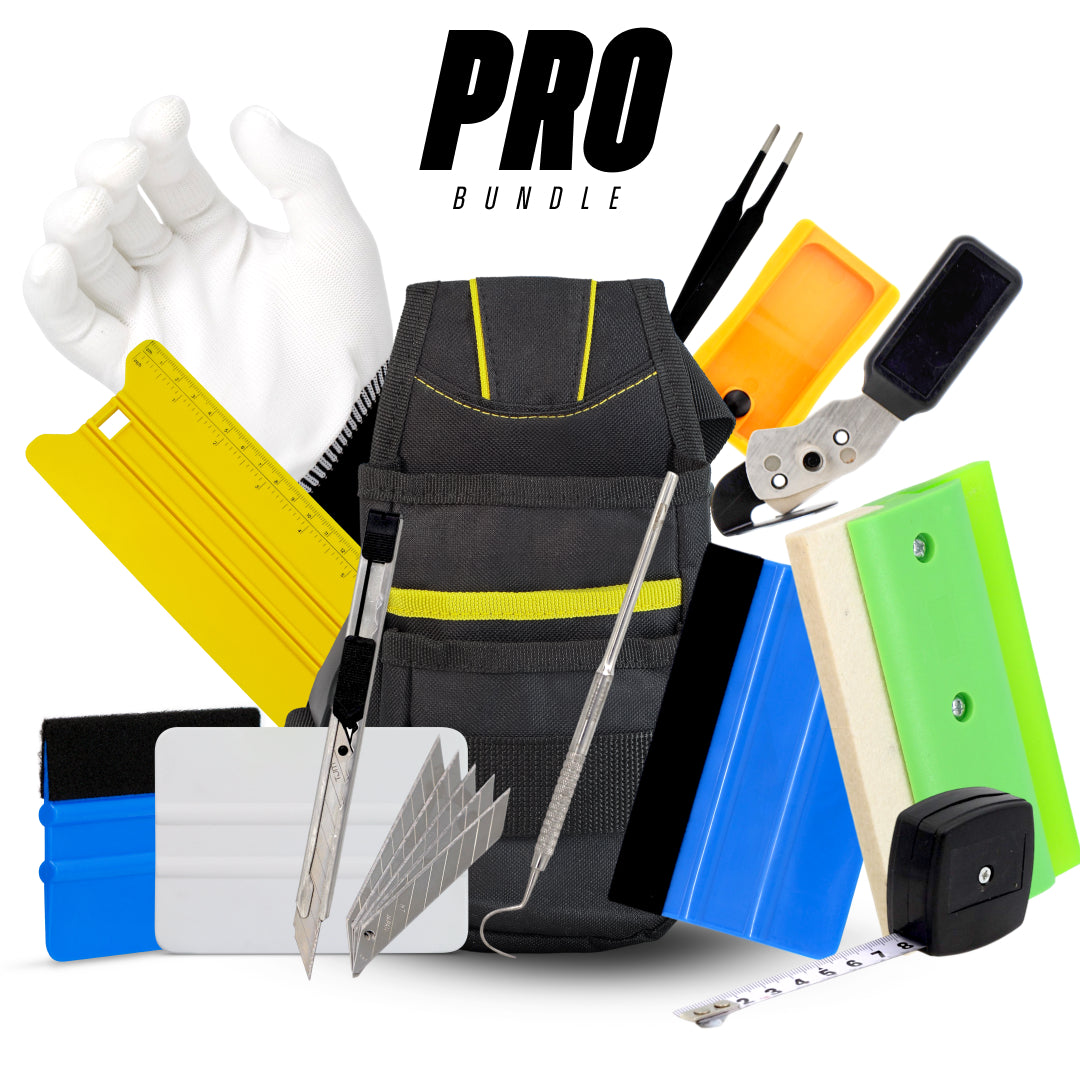
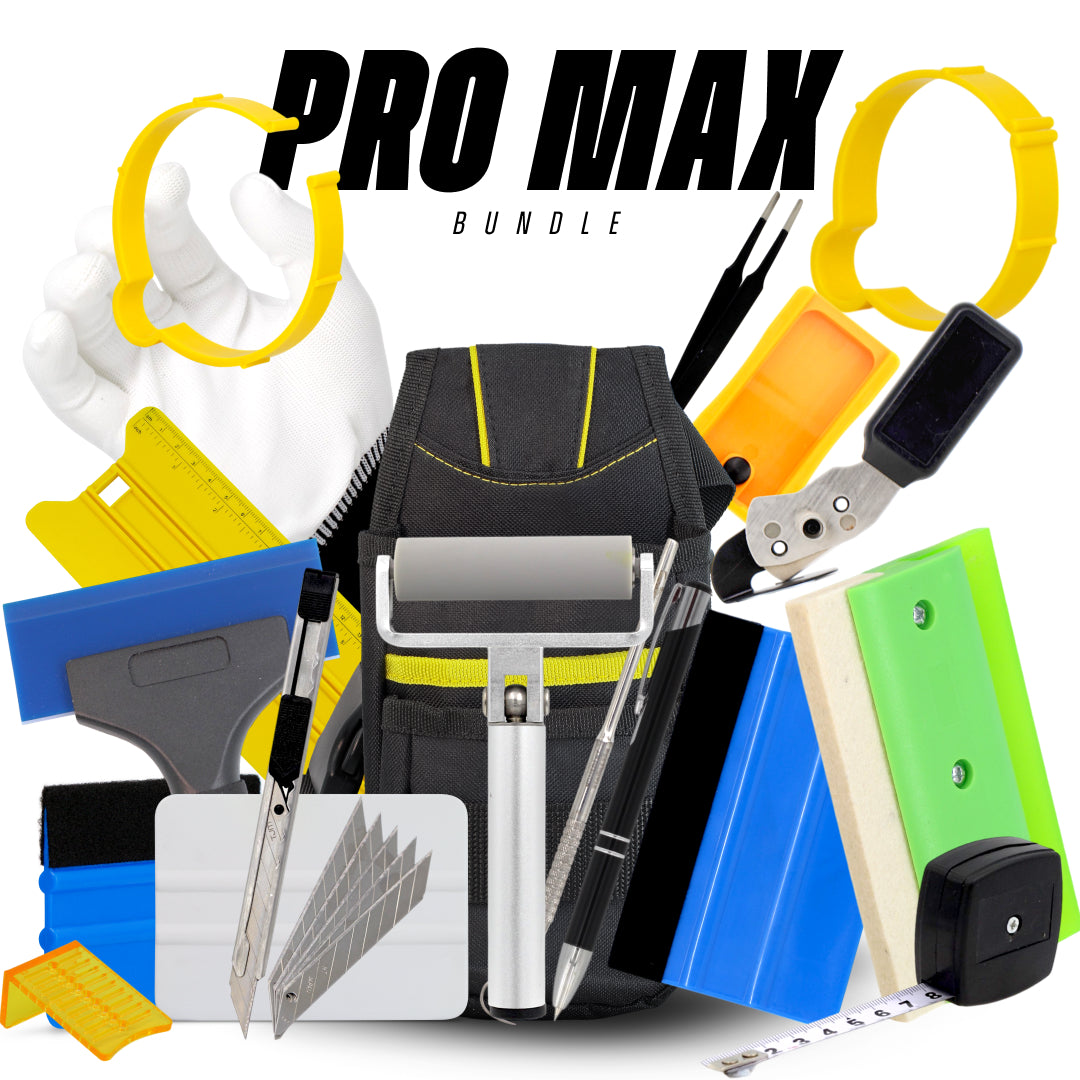
| Kit tier | Best for | Save | Price |
|---|---|---|---|
| Wrap Tool Kit — Lite | First wrap | 15% | $75.99 |
| Wrap Tool Kit — Pro | Regular installers | 19% | $129.99 |
| Wrap Tool Kit — Pro Max | Full-time installers | 25% | $216.99 |
Cost Breakdown: Materials vs. Labour
The total cost of a car wrap depends mainly on the quality of vinyl chosen and the amount of work required to install it. Vehicle size, design complexity, and installer experience also influence the final price.

Material Expenses
Vinyl film is the core material in any car wrap, and its cost varies widely. Standard gloss or matte vinyl usually ranges from $500 to $1,500 for the material alone. Specialty finishes like chrome, carbon fibre, or colour-shifting films can increase costs to $2,000–$5,000.
Quality matters because cheaper vinyl may fade, peel, or crack sooner. Premium films from well-known brands often last 5–7 years, while budget options may only hold up for 2–3 years. Buyers should weigh upfront savings against long-term durability.
Other material costs include application tape, edge sealers, and protective laminate. These add-ons may not be visible, but help extend the wrap’s lifespan and improve its finish.
In short, materials can account for nearly half of the total price. Choosing higher-quality vinyl often reduces the need for early replacement, which can save money over time.
Labour Charges
Labour makes up the other major portion of wrap costs. Professional installation usually ranges from $1,000 to $3,000, depending on the vehicle’s size and surface complexity. A small hatchback requires less time and material than a large SUV, ute, or van.
The installer’s skill level also affects pricing. Experienced professionals may charge more, but they reduce the risk of bubbles, wrinkles, or misaligned panels. Correct installation ensures the wrap looks seamless and lasts longer.
Complex designs, such as custom graphics or multi-colour wraps, increase labour time. Removing door handles, mirrors, or trims also adds to the cost, as these steps require careful disassembly and reassembly.
Some owners attempt DIY installation to cut costs, but mistakes can lead to wasted materials and extra expenses. For most people, paying for skilled labour provides better results and longer-lasting value.
Car Wrap Cost Versus Paint
The price of changing a car’s exterior depends on both the upfront cost and how well the finish holds up over time. Wraps and paint each have different strengths, and the better choice often depends on budget, durability, and the value a driver wants to protect.
| Option | Typical Cost Range |
|---|---|
| Full Car Wrap | $2,600 – $5,400 |
| Professional Repaint | $4,000 – $12,000+ |
Initial Investment
The cost of a full car wrap usually falls between AUD $2,500 and $5,000, depending on vehicle size, material quality, and design complexity. Simple, single-colour wraps tend to be cheaper, while custom graphics or textured finishes push the price higher.
A standard paint job may start around AUD $1,000 to $3,000 for a basic respray, but high-quality finishes with multiple coats can range from AUD $5,000 to $15,000 or more. Special effects, metallics, or custom detailing increase the cost further.
One key difference is labour. Painting requires sanding, priming, and curing, which adds hours of work. Wrapping is faster to apply, so labour costs are generally lower.
For those wanting frequent style changes, wraps offer a more affordable way to update a car’s look without committing to a permanent finish. Paint, however, is often chosen when a long-lasting, factory-like result is the goal.
Long-Term Value
A quality wrap typically lasts 5 to 7 years before showing signs of wear. It also protects the original paint underneath from UV rays and minor scratches, which can help preserve resale value. When removed, the car often looks close to its original condition.
High-quality paint can last 10 years or more with proper care. However, it is more prone to chips, fading, and scratches, especially if the car is exposed to harsh sun or road debris. Repainting to fix damage can be costly.
Wraps allow owners to maintain the factory paint in good condition, which may be appealing to buyers. On the other hand, a professionally applied paint job can increase a car’s appeal if done to a high standard.
In terms of upkeep, wraps need gentle washing and care to avoid peeling, while paint requires waxing and polishing to keep its shine. The better option depends on whether the owner values flexibility and protection or permanence and longevity.
Ways to Save on Car Wrap Costs
Car wrapping can become expensive, but there are practical ways to lower the price without giving up quality. The most effective strategies involve making smart choices about finishes and considering how services are packaged together.

Choosing Standard Finishes
Specialty wraps like chrome, carbon fibre, or textured vinyl often cost much more than standard finishes. A basic colour change wrap in a gloss or matte finish can start at around AUD 2,500, while premium finishes may push the cost above AUD 5,000.
By choosing a common finish, drivers can cut costs while still achieving a fresh, professional look. Standard finishes are also easier to install, which can reduce labour time and lower the overall bill.
It is also worth noting that standard vinyl films are widely available. This means installers can source materials faster and at a lower price, reducing the risk of delays or extra charges.
For those who want variety without a high price, sticking to popular colours like black, white, or grey often provides the best balance between affordability and style.
Bundling Services
Many wrap shops also offer related services such as paint protection film, window tinting, or detailing. Bundling these services with a wrap can lead to discounts, as businesses often reduce prices when customers purchase multiple services at once.
For example, a shop may offer a lower rate on tinting if it is done during the same appointment as a full wrap. This not only saves money but also reduces the time the car spends off the road.
Bundling can also improve long-term value. Adding a protective coating or film at the same time as the wrap may extend the wrap’s lifespan and reduce future maintenance costs.
When comparing quotes, it helps to ask each installer whether they provide package deals. Even a small discount can make a noticeable difference on a project that already costs several thousand dollars.
Real-World Car Wrap Cost Examples by Vehicle Type
While car wrap prices vary depending on materials and installation complexity, real-world estimates can help drivers and businesses better understand what they might expect to pay.
On average, a full vehicle wrap typically ranges from around $2,600 to $5,400, depending on vehicle size, vinyl quality, and labour requirements. Smaller sedans tend to be at the lower end of the range, while large SUVs, trucks, or exotic vehicles can cost significantly more due to increased surface area and installation time.
Here are typical pricing benchmarks based on vehicle category:
| Vehicle Type | Typical Full Wrap Cost |
|---|---|
| Compact Sedan | $2,400 – $3,800 |
| Mid-Size SUV | $3,100 – $4,900 |
| Full-Size Truck | $4,200 – $6,800 |
| Exotic / Performance Cars | $6,000 – $11,000+ |
These ranges highlight why quotes can vary widely between vehicles. Larger body panels, deep curves, and complex bumpers require more labour and additional vinyl material, which directly increases the final cost.
Why Professional Installation Often Delivers Better Value
Some vehicle owners consider DIY wrapping to save money. However, professional installers often produce better long-term results because they use specialised tools, temperature-controlled environments, and advanced installation techniques.
While a DIY wrap may cost $450–$1,400 in materials, professional installation ensures smoother finishes, fewer air bubbles, and improved durability. Poor installation can lead to premature peeling or wasted vinyl, ultimately increasing costs.
For businesses using wraps as advertising or branding, professional installation also ensures the graphics look sharp and consistent across all vehicles.
Car wrap costs in Australia vary widely, but most fall between AUD 2,500 and AUD 6,000 for a full vehicle wrap. The exact price depends on the size of the car, the type of vinyl, and the complexity of the design.
When comparing options, it helps to break down the main factors:
| Factor | Impact on Cost | Example Range (AUD) |
|---|---|---|
| Vehicle size | Larger vehicles need more material | 3,000 – 6,000 |
| Vinyl quality | Premium brands last longer | +500 – 1,500 |
| Finish/design | Matte, metallic, chrome, or custom print | +1,000 – 3,000 |
| Labour and expertise | Skilled installers charge more | Varies |
A standard colour change with basic vinyl is usually the most affordable choice. More advanced finishes, such as chrome or custom graphics, can raise the price significantly.
Many car owners choose wraps because they are removable, protect the original paint, and allow more flexibility than a respray. This makes them a practical option for both personal and business vehicles.
For anyone considering a wrap, the most reliable step is to request quotes from local installers. This ensures the price reflects the specific car, chosen material, and level of detail required.
Get an instant estimate of how much your project will cost →
Are you unsure which tool or kit is right for your job?
Our expert team at Oz Sign Supplies is here to help. Reach out today, and we’ll direct you to the best tools to suit your project, ensuring you get the job done right the first time.

Wrap Tool Kit – Pro Max
$216.99
What's Included The Wrap Tool Kit Pro Max includes a complete professional vinyl wrapping setup designed for high-volume installers, wrap...
Kit me out